Table Of Content
So if you want to try rosemary oil for your hair, take a look at some of the best rosemary oils for hair growth currently available. It took six months for testers to notice hair growth in the 2015 study that compared daily rosemary oil scalp treatments to minoxidil. That said, it’s not guaranteed you’ll see any hair-growth results from rosemary oil, let alone in a specific time span. With testimonials touting its efficacy for alopecia and postpartum hair loss, skeptics might wonder whether there are hard facts to support what seems like another fad. A 2015 study found that rosemary oil may be a useful treatment for androgenic alopecia.
Best rosemary hair serums: 6 top picks to stimulate hair growth
Everyone’s scalp is different, so monitor how your scalp reacts and adjust accordingly. Given the promising studies and reviews, I've been faithfully applying Mielle's rosemary oil since getting layers a bit too short for my liking last month. I haven't noticed a difference yet, but massaging in the fluid with the lights turned down is a stress-relieving ritual — and these days, I'll take any help I can get. "Y'all got to beware of Mielle's hair growth oil," said creator @deetsbyshay in a video that's garnered over 15,000 likes. "That ish made my hair thick." Popular hair vlogger @curlsbydaviana also swears by the product, and commenters on her video agreed that they've seen enormous growth from using it once a week.
Hair Products
If you desire fuller, thicker, and more luscious strands, experts agree rosemary oil is one of the most potent hair growth oils on the market. For most people, it’s safe to use rosemary oil on your hair and scalp every day, says Dr. Harth, provided you patch-test first to confirm you don’t have any sensitivities. Oligee even recommends applying rosemary oil twice a day if you have high-porosity hair that soaks up oils and butters like a sponge, and if your scalp isn’t overly sensitive. While using rosemary oil for hair growth before and after is generally safe, it's important to know when to seek professional help.
Best rosemary oil products
Meet Emma, a young professional who struggled with hair thinning and receding hairline. Her hair lacked volume and vitality, affecting her confidence personally and professionally. She desperately sought a natural solution to regain her crowning glory. Rachel is a journalist, writer, and editor who specializes in the beauty and wellness industry, writing about the best, safest products the industry has to offer for InStyle, Byrdie, and Shape.
What Should Guys Look for in Rosemary Oil Products?
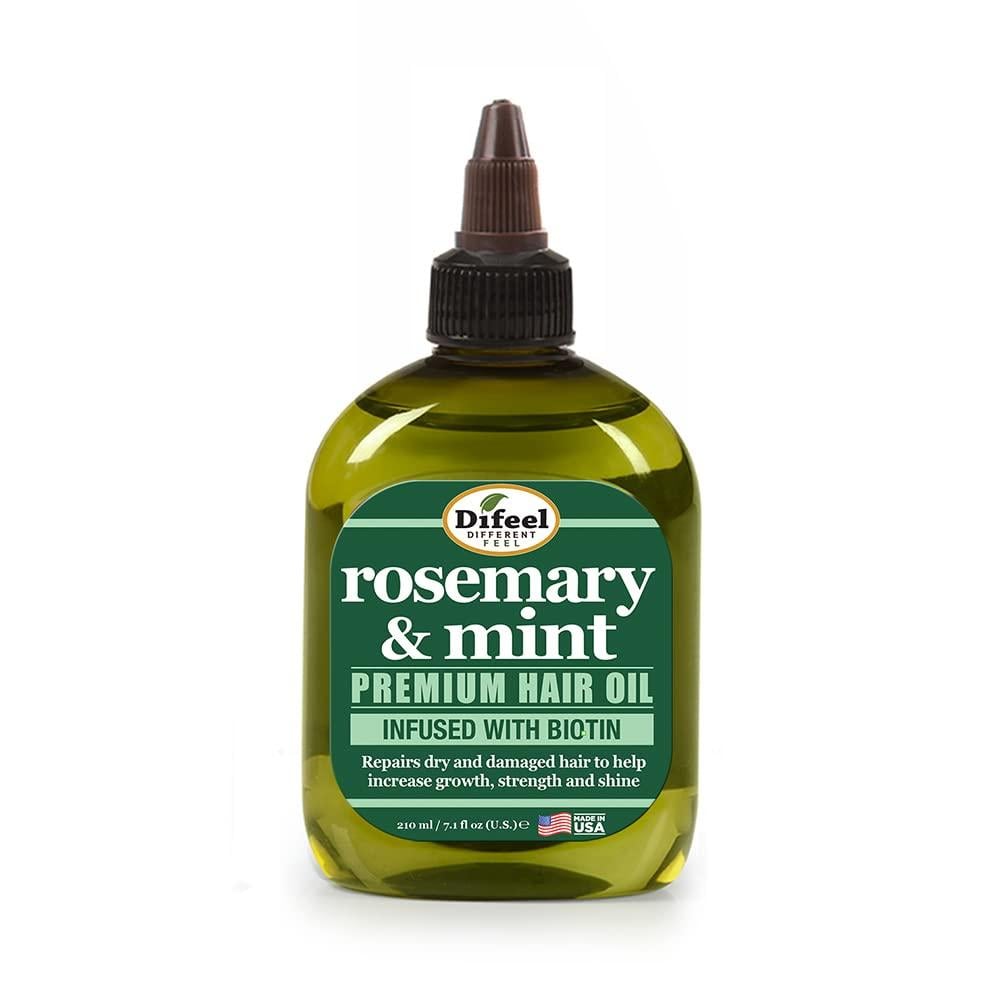
Enriched with the goodness of biotin and rosemary, this serum may help nourish your scalp, reduce hair loss and revitalise damaged strands. It is a lightweight and fast-absorbing serum that leaves no greasy residue on your hair. Regular use of this serum may make your hair lustrous, thick and straight. Be Bodywise 3 Percent Rosemary Hair Serum promises to promote thicker and fuller hair. Enriched with the goodness of rosemary, aminexil, anagain and redensyl, this hair serum may help prevent hair fall, promote hair growth, strengthen your strands and activate hair stem cells.
Kingsley concedes that rosemary oil is “unlikely to cause any harm” unless you develop contact dermatitis or have skin that can’t tolerate rich oils. If you have a greasy scalp or suffer from scalp acne, for example, hair oils of any kind might exacerbate the issue. Rosemary essential oil is a common variety you can purchase and use as a home remedy. The oil’s health uses range from antioxidant benefits and anti-inflammation to memory enhancement and more.
The 14 Best Hair Growth Serums for Thicker, Fuller Hair - Health.com
The 14 Best Hair Growth Serums for Thicker, Fuller Hair.
Posted: Wed, 20 Mar 2024 07:00:00 GMT [source]
She shared a photo of her thinning tresses in October, a snap of how much hair was falling out each time it was washed, and a recent photo showing the regrowth. EVERY shower resulted in handfuls of hair loss for one woman before she tried a DIY remedy. When our tissues get injured, our injured cells begin to release small proteins called cytokines. …all of which will may slow, stop, and partially reverse hair loss. 1-3 Months After, you may notice fewer hair falls and faster growth.
How to use rosemary oil for hair loss
14 Expert Tips to Make Your Hair Grow Faster in 2024 - Cosmopolitan
14 Expert Tips to Make Your Hair Grow Faster in 2024.
Posted: Wed, 13 Dec 2023 08:00:00 GMT [source]
If you're expecting to wake up the morning after using this oil with noticeable length or fullness, you're bound to be disappointed. Nothing works overnight and progress can be slow—but don't give up. "Keep in mind that hair changes in general are slow, and it will take a minimum of three to six months before seeing any noticeable results,” Dr. Penzi adds. Book a consultation at the Wimpole Clinic to discuss your options and find the best hair loss treatment for you. Since joining ELLE.com in 2017, she has interviewed countless skincare professionals and has personally tested the latest and greatest products across makeup, skincare, and hair care.
Together, cytokines and the COX-2 enzymes (via prostaglandins) help control how many inflammatory cells actually arrive at an injury site. The larger the injury – the more inflammatory cells our tissues need to heal. Rosemary oil is natural, but that doesn’t mean it won’t cause reactions in some people.
He acts as a peer reviewer for scholarly journals and has published five peer-reviewed papers on androgenic alopecia. He writes regularly about the science behind hair loss (and hair growth). Feel free to browse his long-form articles and publications throughout this site. There aren’t any known studies describing the effects of rosemary oil on follicular fibrosis. With that said, multiple rat studies have shown that polyphenols within rosemary – such as rosmarinic acid – are protective against scar formation in other organs like the heart and liver. Enter rosemary oil… and its anti-inflammatory mechanisms which help fight hair loss.
One 2013 study conducted on mice showed that rosemary leaf extract was effective in helping to promote re-growth in hormone-related hair loss (often referred to as male-pattern or female-pattern baldness). Studies have shown that rosemary oil may help promote hair growth and prevent hair loss. One study found that a mixture of rosemary oil, peppermint oil, and jojoba oil applied to the scalp daily for seven months led to significant hair growth in men with androgenetic alopecia (1). While one could extrapolate the results of the study to female pattern baldness, Dr. Turner cautions that there isn’t any data that would allow the results to be applied to the two former types of hair loss.
Never apply the undiluted essential oil directly to the hair or scalp. Turns out, rosemary oil for hair might be a great option to test out if you’re dealing with hair loss or thinning, as well as dry, itchy scalp. While there are a few studies showing promise for rosemary oil and hair growth, more research needs to be done to definitively call it a proven hair-growth treatment. But as is the case with most hair growth remedies, don't expect results overnight.
A study from 2022 also found evidence that rosemary oil can aid in hair growth. The study stated that rosemary oil had the same effect as Minoxidil, a hair growth medication, after 6 weeks of use. Rosemary oil is an essential oil extracted from the rosemary plant. Some studies recommend rosemary oil to encourage hair growth or to slow hair loss. On the other side of the coin, men with a more oily scalp may only be able to tolerate it once a week.
While rosemary oil can help, it could also result from the persons' heightened awareness of hair loss which can influence their life changes (reduced stress, more sleep, less/no smoking). According to Majeed, studies have shown rosemary oil to be effective at healing nerve endings and promoting hair restoration. Recent research does show that it may help with hair regrowth due to certain causes of hair loss. Individuals concerned about hair loss should speak with a healthcare professional in order to diagnose the cause and discuss treatment options.




No comments:
Post a Comment